Search

Showing posts with label Vitamins. Show all posts

Friday, May 25, 2012

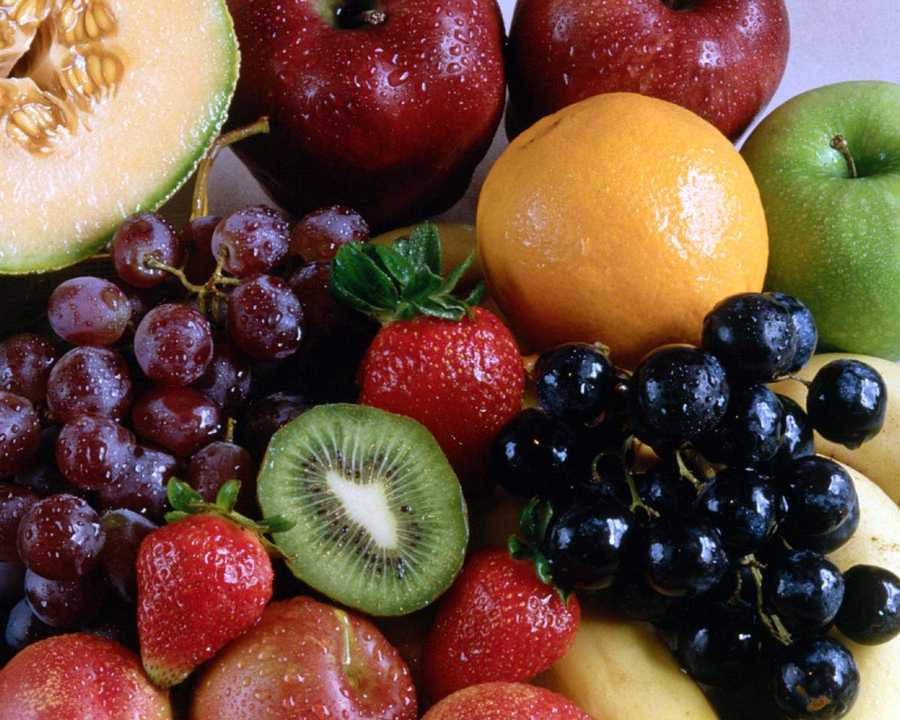
Eating a diet rich in fruits and vegetables


Eating a diet rich in fruits and vegetables and low in saturated fats can significantly lower the risk of heart attack for people with mildly elevated blood pressure, Johns Hopkins University researchers say.


The diet they examined -- called the DASH diet (Dietary Approaches to Stop Hypertension) -- was designed to lower blood pressure and cholesterol. In this new study, it reduced the risk of heart attack by almost 20%, the researchers said.

"Heart disease is an important cause of mortality and morbidity in the United States," said lead researcher Dr. Nisa M. Maruthur, an assistant professor of medicine at Hopkins' School of Medicine. "Thus, adoption of the DASH diet should have important benefits on a public health scale."
The diet also calls for reducing fats, red meat, sweets and sugary beverages, and replacing them with whole grains, poultry, low-fat dairy products, fish and nuts. The eating plan is recommended by the U.S. Dietary Guidelines for Americans and the American Heart Association.
For the study, published online Aug. 31 in Circulation: Cardiovascular Quality and Outcomes, Maruthur's team studied 436 people with high blood pressure or borderline hypertension who were not taking blood pressure medication. The participants were assigned to either the DASH diet; a typical American diet, which is low in important minerals and high in saturated fat, total fat and cholesterol; or an American diet plus more fruits and vegetables.
High blood pressure, or hypertension, is a major risk factor for heart disease, stroke, heart failure and kidney disease.
To determine their risk of having a heart attack over 10 years, the researchers used the Framingham Heart Study risk equation.
After eight weeks, the DASH dieters, who were eating nine to 11 servings of fruits and vegetables a day, had reduced their risk of heart attack 18% compared with those eating the American diet. They also saw their low-density lipoprotein ("bad") cholesterol levels reduced by about 7% and their systolic blood pressure lowered by 7 mm Hg.
While both whites and blacks benefited from the DASH diet, black participants had the greatest benefit, the researchers noted. Blacks on the DASH diet saw their heart risk decline by 22% over those on a typical diet, versus 8% for whites.
Those who ate the American diet plus fruits and vegetables reduced their risk of heart attack by 11% compared with those chowing down the usual American fare.
"The problem with hypertension is that it really is a silent killer because you do not feel it," said Samantha Heller, clinical nutrition coordinator at the Center for Cancer Care at Griffin Hospital in Derby, Conn. Millions of people have no idea their blood pressure is high and are walking around like "ticking time bombs," she said.
Those who know they are hypertensive do not always know what to do about it aside from taking medication, Heller added.
"The good news is that with a few dietary tweaks, the risk of these diseases and their co-morbidities can drop considerably. For example, add a salad or side of vegetables with lunch. Have fruit for dessert. Make your mashed potatoes with olive oil and low-fat milk. Top your pizza with part-skim mozzarella, broccoli, spinach and mushrooms," she said.
"The DASH eating plan is a good way to go for people looking to lower their blood pressure and improve heart health," she said.
Another expert, Dr. Gregg C. Fonarow, a professor of cardiology at the University of California, Los Angeles, said although the DASH diet has been shown to lower systolic blood pressure and total cholesterol levels, changing risk factors does not always translate to a reduction in actual heart disease.
"It is therefore essential to hold dietary modification and other forms of lifestyle modification to the same gold standard that statins and antihypertensive medical therapies have been held to," he said. What's needed are prospective randomized trials that demonstrate actual reduction in coronary heart disease events, Fonarow said.

Also, it is recommended to see:

Which Vitamins are Good for Fertility?

Is there just one vitamin good for fertility? There is no magical pill or Vitamin F for fertility but a combination of vitamins and minerals definitely have an impact on fertility. They are easy to take yet there are so many to choose from. How do you know which vitamins are good for fertility? How much do you take?

“A study performed by Harvard medical school has shown that taking multivitamins improve chances of pregnancy. “
Here is a listing of the most essential vitamins and minerals you will need to take on a daily basis to increase fertility and have a powerful reproductive system! Our fertility supplement program is located at the bottom of this page.
Calcium
In preparation for conception, building up your own calcium stores is very important. Once you are pregnant you will have ample stores and will be eating daily calcium so the baby is getting all that it needs and your teeth are staying healthy.

Calcium also helps to alkalize the body, which is favorable to the sperm and fertilized egg. The Best food sources for calcium are Raw milk products (most absorbable), dark leafy greens, almonds. 1 quart of raw milk supplies 900mg of calcium!
I would focus on getting your daily calcium from food, but supplemental calcium that is easy to absorb is available.
Zinc
Zinc is a vitamin that is essential for fertility. Zinc is a very important especially for men.
Zinc is involved in:
Building good sperm

Healthy testicles
Increases sperm counts
The best food source for zinc is oysters. They are packed with it. But you don’t have to eat oysters everyday to receive the benefits; cooked or raw. Zinc should be included in a whole food multivitamin for men with 15mg. of zinc a day.

Vitamin C
Vitamin C is important for both women and men.

For women vitamin C:
Improves hormone levels
Increases fertility
Keeps the immune system healthy
Helps Iron to be absorbed.

“A study published in Fertility and Sterility, states that vitamin C improves hormone levels and increases fertility in women with luteal phase defect.”

**Too much VI C. for the woman can create and acidic environment in the vagina and dry up cervical fluid.

The dosage for woman, 750-1000mg, should come from foods and acerola cherry or whole food supplements only.
Taking a 100% whole food prenatal vitamin is the
best for preparing for pregnancy.
Learn more…
In men vitamin C is helpful to:
Keep sperm from clumping
Improves movement
For men, a daily dosage of 1,000mg per day of acerola cherry based vitamin C
Great food sources of vitamin C are red bell peppers, oranges and strawberries.

Vitamin E
Vitamin E is very important for the reproductive system of both sexes.
In women it is essential for:
The endocrine system
Absorption of other essential fats that make the good hormones
For men vitamin E helps with:
Producing sperm and key sex hormones
Protects the sperm from mutation
The best sources for vitamin E are watercress, dark leafy greens, liver, sunflower oil, pumpkin seeds and wheat germ.
You can get your daily recommended dosage of 400IU daily from a whole food multivitamin.
Iron
Iron is a blood building nutrient that helps to increase fertility by helping to balance ovulation.
“In a study women who were having ovulation problems, 40% became fertile after supplementing with iron.”
The best form of iron is from a whole food supplement. Synthetic versions tend to be constipating.
Vitamin A
Vitamin A is essential for the utilization of proteins, minerals, and other vitamins. The best sources for Vitamin A can be found in grass fed butter, egg yolks, liver, sea foods and Cod Liver Oil . Recommended daily dose 5000-10000IU.

L-Arginine
L-Arganine is an amino acid that promotes the synthesis of Nitric Oxide(NO). Nitric Oxide is naturally produced by the body and is important for blood dilation, increases blood flow to the uterus, ovaries and genitals.

The main 5 important effects NO has on the body are:
Increased cervical mucous
Enhanced libido
Sexual stimulation
Creates a healthy environment in the uterus for implantation
May extend fertility for women over 40
This is a major breakthrough in scientific research that won a Nobel Prize. Read more

Folic Acid
Folic acid is known to prevent spina bifida in your future baby. This nutrient is very important to take before becoming pregnant and through pregnancy. But it is not just folic acid that is important, B12 and all the others B vitamins that make up the B-Complex are necessary to insure your baby’s genetic codes are intact. The recommended dosage for folic acid is 400mcg a day.

PABA
PABA is part of the B-Complex family.
In an ancient study (1942) there was a isolated trial published that reported that 75% of women that were taking 100mg of PABA four times a day, became pregnant.
Essential Fatty Acids
EFA’s are so essential for the production of hormones in both the woman and the man. Hormones use these fats as building blocks for what will become progesterone and many other reproductive hormones. Some of the best EFA’s to take are evening primrose oil, flax seed oil, Coconut Oil and Cod Liver Oil . .

DHA
Taking DHA prior to conception is a great way to assure your baby will end up a genius! DHA is an EFA that helps with the formation of the brain in utero. The best sources of DHA are Cod Liver Oil . and sea vegetables. Recommended daily dose is 400mg.
How to choose the best supplements
When you are buying vitamins and supplements remember two things:
They are not all created equal

You do get what you pay for
So a one-a-day from W*lmart is not going to cut it. Throw them all out. I love Trader Joes but that is not where to buy your vitamins either. Using a quality vitamin vs. a cheapie will make all the difference in the world.
So what do you look for when you are buying a vitamin? One of the first things I look for is that it is Food Based or has some food based ingredients.
You also want to avoid unnecessary fillers, colors and preservatives.

Also, it is recommended to see:

More vitamin D, More health


New Guidelines Suggest Higher Doses of Vitamin D
Endocrine Society Says Vitamin D Deficiency May Be Common in U.S.
June 6, 2011 -- Noting that vitamin D deficiency is "very common in all age groups," new treatment guidelines call for many Americans to take more vitamin D than is currently recommended.
The guidelines, from the Endocrine Society, offer some contradictory advice. They say that virtually everyone in the U.S. should be taking vitamin D supplements, but that only those at risk for vitamin D deficiency should have their vitamin D blood levels checked.
Only those whose serum 25(OH)D blood levels are above 30 ng/mL are getting enough vitamin D. Lower levels are "insufficient," and those with levels below 20 ng/mL are frankly deficient.
But much higher levels are better, says guideline committee chairman Michael F. Holick, MD, PhD, director of the vitamin D skin and bone research lab at Boston University.
"The committee decided that 30 ng/mL is the minimum level, and recommended 40 to 60 ng/mL for both children and adults," Holick said at an online news conference.
So who's at risk of vitamin D deficiency? Quite a few of us:

    * Children of all ages
    * Pregnant and nursing women
    * Obese people
    * Darker-skinned Americans, particularly those of African or Hispanic descent
    * Anyone with a malabsorption syndrome, such as cystic fibrosis, Crohn's disease, or inflammatory bowel disease
    * Anyone who has had bariatric surgery
    * Anyone with osteoporosis, osteomalacia, or an elderly person who's had a fall or fracture
    * People with chronic kidney disease
    * People with liver failure
    * People taking antiseizure medications, glucocorticoids, AIDS drugs, or antifungal drugs
    * People with granuloma-forming disorders such as tuberculosis and sarcoidosis

And even more of us are at risk of vitamin D insufficiency, as studies find that it's relatively common for people to have vitamin D levels below 30 ng/mL.
Few foods carry much vitamin D other than salmon and mackerel. Milk and some orange juice is fortified with small doses.
"So if you drank five or six glasses of fortified orange juice and ate salmon every day, you would get all you need," Holick said.
The body makes its own vitamin D if the skin is exposed to direct sunlight. But too much time in the direct sun raises the risk of skin cancer -- and using sunscreen cuts skin vitamin D production by 95%.
Why Take Vitamin D?
Nearly every cell in the body interacts with vitamin D. The activity of many genes -- up to a third of the entire human genome -- is affected by vitamin D.
There's evidence that vitamin D deficiency may increase the risk of many diseases:
    * Cancer, including colon, prostate, breast, and pancreatic cancer
    * Autoimmune diseases, including type 1 and type 2 diabetes, rheumatoid arthritis, Crohn's disease, and multiple sclerosis
    * Infectious diseases such as flu
    * Heart disease

However, there's no hard evidence that taking vitamin D supplements prevents or treats any of these illnesses.
What the evidence does show is that vitamin D helps the body use calcium to prevent bone loss and to build stronger bones, and that vitamin D prevents falls in the elderly by improving muscle function.
A new study, reported at the annual meeting of the Endocrine Society by Weill-Cornell researcher Richard Bockman, MD, PhD, shows that people are seven times more likely to benefit from the bone drugs Actonel, Boniva, Fosamax, and Zometa if their vitamin D levels are at or above 33 ng/mL.
Why is there so little data on vitamin D and non-bone diseases? Only recently have researchers realized that vitamin D is not harmful at the new, higher doses. Few studies used enough vitamin D to raise blood levels of 25(OH)D above 30 ng/mL.
On the positive side, there is very little evidence that increasing vitamin D levels to 30 to 100 ng/mL is any harm to children or to adults -- except in some people with granuloma-forming disorders or lymphoma.
Recommended Vitamin D Doses
Last November, the Institute of Medicine (IOM) released guidelines suggesting that most Americans and Canadians get enough vitamin D, and recommending modest doses of vitamin D supplements. The new treatment guidelines point to new data suggesting that the IOM recommendations "may be inadequate."
The new guidelines recommend different doses of vitamin D for those at risk of vitamin D deficiency:
    * Age 0 to 1 year: 400 to 1,000 International Units (IU) daily
    * Age 1 to 18 years: 600 to 1,000 IU daily
    * All adults over age 18: 1,500 to 2,000 IU daily
    * Pregnant or nursing women under age 18: 600 to 1,000 IU daily
    * Pregnant or nursing women over age 18: 1,500 to 2,000 IU daily
Because fat stores vitamin D, obese people may need to take two or three times the usual dose of vitamin D.
The guidelines recommend much larger doses of vitamin D, for a very limited time, for people trying to get their vitamin D levels back up to 30 ng/mL. Such doses should be taken under a doctor's supervision.
The new guidelines, announced at the annual meeting of the Endocrine Society in Boston, will appear in the July issue of the Journal of Clinical Endocrinology and Metabolism.


Also, it is recommended to see: