Search

Showing posts with label Diet. Show all posts

Friday, May 25, 2012

Fatty Liver Diet


Fatty liver diet does not sound appealing but it can help prevent illness. In some cases, it can be life saving.

What Is Fatty Liver?
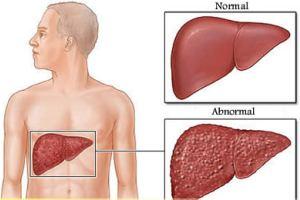
According to the American Liver Foundation, fatty liver occurs when 10 percent or more of the organ's weight is fat. While fat in the organ is normal, excess adipose tissue can lead to complications. In some cases, the liver may become inflamed.

Inflammation leads to steatohepatitis, when alcohol is a factor. When alcohol is not a factor, the condition is called NASH (nonalcoholic steatohepatitis). Over time, the liver may become scarred and it may harden. When this occurs, the condition has progressed into cirrhosis, a very serious health problem that can lead to liver failure.

Causes
The liver is responsible for breaking down fats and when the organ is flooded with excess fat and calories on a regular basis, it is unable to break down the fats as it normally would. This leads to a build up of excess fat in the organ. People may be at risk for developing the condition if the following apply:

Diabetic
High triglycerides
Obese
Losing weight too quickly
Poor nutrition
Alcohol abuse
It is important to note that the condition may develop in people who are not at risk. Since the disease is asymptomatic, it is necessary to discuss testing options with your physician. The problem may be detected with a blood test or through a routine physical exam. The liver may be enlarged. A biopsy may be necessary for proper diagnosis.

Fatty Liver Diet
A diet for fatty liver can be a treatment, but some people may want to adopt this type of eating plan if they are at risk for developing the disease. One of the most important steps you can take is to adopt a healthy eating plan. Those who have nonalcoholic fatty liver disease want to stay away from high-glycemic carbohydrates.

High-glycemic carbohydrates
White bread
Breakfast cereal
White rice
Potatoes
The list is not comprehensive but it gives you a good idea of the types of food that can cause problems.

Developing and Eating Plan
Any diet for health conditions should be a collaborative process between you and your doctor. Your physician may refer you to a nutritionist to help you develop a healthy eating plan. A liver cleansing diet may be in order, involving detoxification but this can lead to unpleasant side effects and should be done with the guidance of a doctor.

What does a typical diet for fatty liver look like? Programs vary according to the individual's specific needs, making it critical to see a doctor about the best meal plans. A diet that helps you to lose abdominal weight may be helpful. General guidelines include:

Avoid saturated fats
Replace sugary treats with fruit
Avoid processed foods
Eat whole grains
Choose lean meats over red meat
Eat many vegetables
Make your own salad dressing using olive oil and vinegar, and use it sparingly
Add legumes to your recipes for added protein and fiber
As a rule of thumb, the closer the food is to its natural state, the better. The more processing the food goes through, the more additives are likely to be in the mix. The additives, extra calories and artificial ingredients have to be processed by the liver.
Alcohol
People who adopt a this diet should avoid alcoholic beverages, including people who have the nonalcoholic version of the disease. People who consume alcohol on a regular basis may be more likely to develop liver problems. Some suggest that a single glass of wine per day may be beneficial, but it is necessary to discuss this option with your physician.

Following healthy eating guidelines, avoiding processed foods and avoiding alcohol can help. However, the first step in determining whether a fatty liver diet is right for you is to consult your doctor.


Also, it is recommended to see:

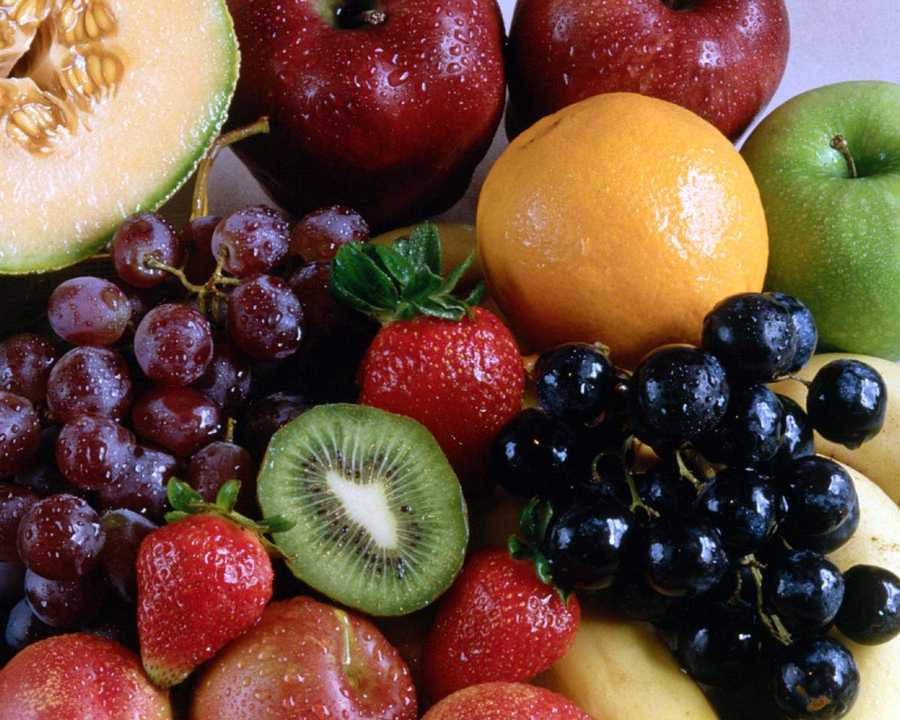
Eating a diet rich in fruits and vegetables


Eating a diet rich in fruits and vegetables and low in saturated fats can significantly lower the risk of heart attack for people with mildly elevated blood pressure, Johns Hopkins University researchers say.


The diet they examined -- called the DASH diet (Dietary Approaches to Stop Hypertension) -- was designed to lower blood pressure and cholesterol. In this new study, it reduced the risk of heart attack by almost 20%, the researchers said.

"Heart disease is an important cause of mortality and morbidity in the United States," said lead researcher Dr. Nisa M. Maruthur, an assistant professor of medicine at Hopkins' School of Medicine. "Thus, adoption of the DASH diet should have important benefits on a public health scale."
The diet also calls for reducing fats, red meat, sweets and sugary beverages, and replacing them with whole grains, poultry, low-fat dairy products, fish and nuts. The eating plan is recommended by the U.S. Dietary Guidelines for Americans and the American Heart Association.
For the study, published online Aug. 31 in Circulation: Cardiovascular Quality and Outcomes, Maruthur's team studied 436 people with high blood pressure or borderline hypertension who were not taking blood pressure medication. The participants were assigned to either the DASH diet; a typical American diet, which is low in important minerals and high in saturated fat, total fat and cholesterol; or an American diet plus more fruits and vegetables.
High blood pressure, or hypertension, is a major risk factor for heart disease, stroke, heart failure and kidney disease.
To determine their risk of having a heart attack over 10 years, the researchers used the Framingham Heart Study risk equation.
After eight weeks, the DASH dieters, who were eating nine to 11 servings of fruits and vegetables a day, had reduced their risk of heart attack 18% compared with those eating the American diet. They also saw their low-density lipoprotein ("bad") cholesterol levels reduced by about 7% and their systolic blood pressure lowered by 7 mm Hg.
While both whites and blacks benefited from the DASH diet, black participants had the greatest benefit, the researchers noted. Blacks on the DASH diet saw their heart risk decline by 22% over those on a typical diet, versus 8% for whites.
Those who ate the American diet plus fruits and vegetables reduced their risk of heart attack by 11% compared with those chowing down the usual American fare.
"The problem with hypertension is that it really is a silent killer because you do not feel it," said Samantha Heller, clinical nutrition coordinator at the Center for Cancer Care at Griffin Hospital in Derby, Conn. Millions of people have no idea their blood pressure is high and are walking around like "ticking time bombs," she said.
Those who know they are hypertensive do not always know what to do about it aside from taking medication, Heller added.
"The good news is that with a few dietary tweaks, the risk of these diseases and their co-morbidities can drop considerably. For example, add a salad or side of vegetables with lunch. Have fruit for dessert. Make your mashed potatoes with olive oil and low-fat milk. Top your pizza with part-skim mozzarella, broccoli, spinach and mushrooms," she said.
"The DASH eating plan is a good way to go for people looking to lower their blood pressure and improve heart health," she said.
Another expert, Dr. Gregg C. Fonarow, a professor of cardiology at the University of California, Los Angeles, said although the DASH diet has been shown to lower systolic blood pressure and total cholesterol levels, changing risk factors does not always translate to a reduction in actual heart disease.
"It is therefore essential to hold dietary modification and other forms of lifestyle modification to the same gold standard that statins and antihypertensive medical therapies have been held to," he said. What's needed are prospective randomized trials that demonstrate actual reduction in coronary heart disease events, Fonarow said.

Also, it is recommended to see: